A compression therapy recovery session takes the time assigned to the device’s treatment cycle, plus any fitting, adjustments, and removal time. Confirm the full appointment length before booking—not just the minutes on the machine. For your 2026 recovery schedule, the useful answer is when you need to arrive and when you can expect to leave.
TL;DR
How long does a compression therapy session take? Confirm the device cycle and total appointment length separately.
Compression boots need fitting and removal; the treatment timer does not cover your entire visit.
A longer compression session is not automatically a better recovery session.
Live Superhuman serves clients seeking wellness sessions focused on recovery and performance.
How long does a compression therapy session take?
The selected treatment cycle determines compression time; the appointment includes everything around it. Pneumatic compression devices inflate and deflate wearable garments, such as leg boots. The equipment’s instructions and the provider’s assessment should guide how the equipment is used.
Before reserving a slot, get answers to these 4 questions:
What is the treatment time? Ask how long the compression cycle runs, rather than assuming the booking slot equals active compression.
What does the appointment include? Establish whether fitting, instructions, adjustments, and garment removal sit inside or outside the advertised slot.
Is an earlier arrival required? Ask whether forms or an initial conversation happen before the appointment starts.
When should you expect to leave? Request a total visit estimate that includes any additional services you select.
For questions about Live Superhuman’s wellness services, ask about appointment timing before building your day around a booking. Confirm the specific service you want rather than assuming every recovery modality is offered.
Why this matters
A treatment timer answers an equipment question. You need a scheduling answer.
If you are fitting recovery between training, work, and family commitments in 2026, a clearly defined arrival-to-departure window matters more than an isolated treatment duration. Keep travel and changing time separate from the provider’s appointment estimate, too.
The distinction also protects the experience itself. Do not rush fitting or skip instructions to squeeze a session into an unrealistic gap. Book a visit you can attend without treating setup as an inconvenience.
Separate the visit into 3 stages
Think of a compression appointment as preparation, active compression, and finishing. This planning framework helps you ask precise questions without assuming a universal session length.
Preparation
Preparation includes understanding how the equipment works and fitting the appropriate garment. Ask what clothing to wear, what you need to remove, and whether you complete any forms beforehand.
Tell the provider about relevant symptoms or health concerns before the device starts. A booking confirmation is not a substitute for discussing whether compression is appropriate for you.
Active compression
Active compression is the period when the device runs its selected cycle. This is the duration you should compare when providers describe treatment time.
Ask who selects the settings and how you request an adjustment or stop the device. You should understand those controls before the garment begins inflating, not discover them while uncomfortable.
Finishing
Finishing includes stopping the equipment, removing the garment, and getting ready to leave. Confirm whether another booked service follows or whether the compression session ends the appointment.
Your departure time belongs at the end of the visit, not at the end of the compression cycle. That distinction is especially useful when you have a fixed commitment afterward.
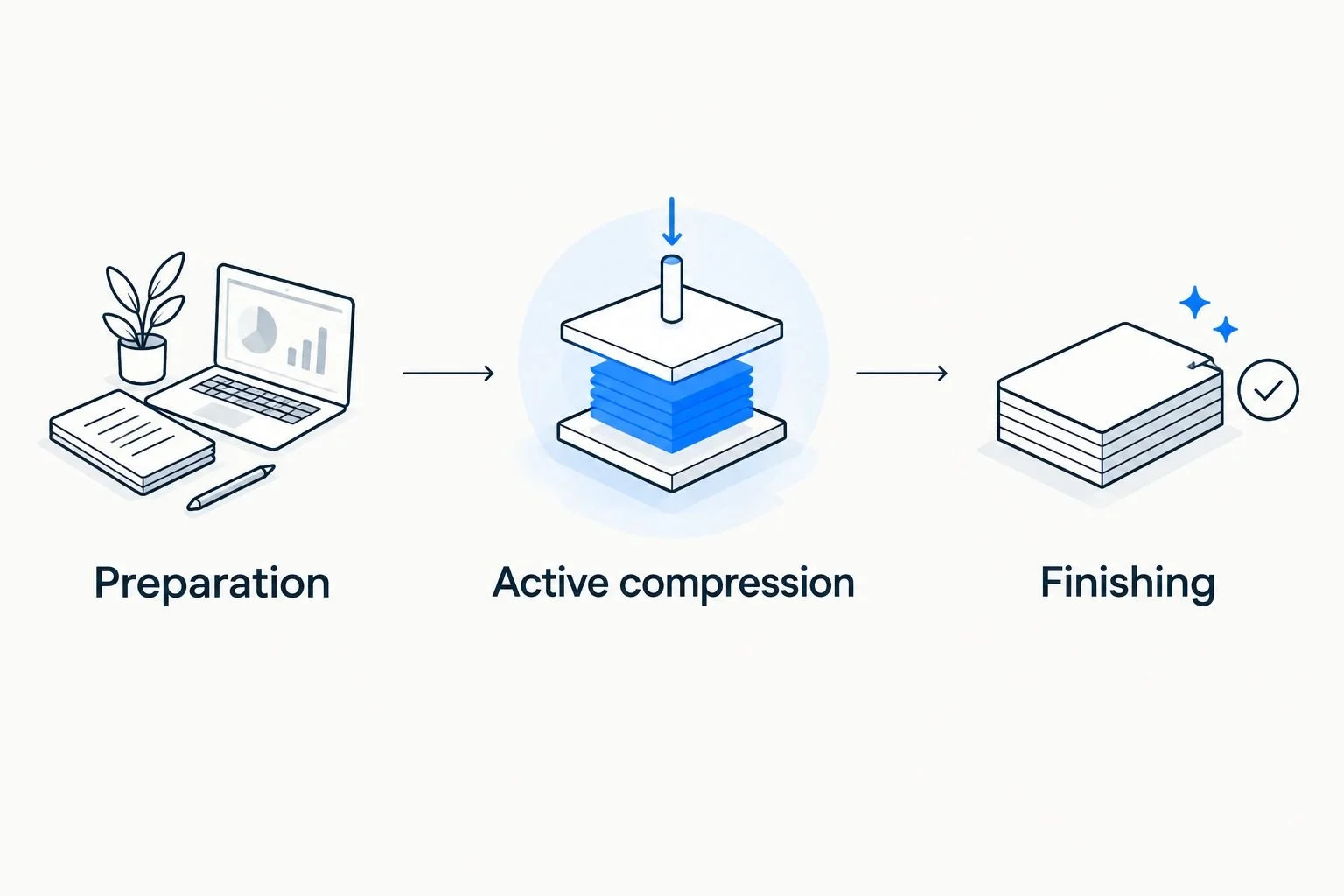
Plan around the complete appointment, not just the active compression cycle.
First visit versus a repeat visit
An initial appointment and a familiar return visit involve different planning questions. Neither label establishes a reliable duration on its own.
Use this comparison when asking a provider which booking fits your situation. The best choice depends on whether you already understand the equipment and whether anything relevant has changed.
First visit
Best for: Someone unfamiliar with the provider or equipment
Planning advantage: Creates space to discuss fitting, controls, and expectations
Limitation to check: Instructions and intake need to be included in the visit estimate
Repeat visit
Best for: Someone returning to familiar equipment
Planning advantage: Lets you use the previous visit as a scheduling reference
Limitation to check: Different settings, symptoms, or added services require a fresh conversation
Use a previous appointment as a reference, not a guarantee. Tell the provider if your needs have changed rather than automatically repeating the last session’s settings or schedule.
For a first visit, ask for the complete sequence before booking. For a return visit, ask whether the same appointment format still applies.
Why compression session timing varies
For a 2026 booking, ask about these factors instead of choosing a duration from a generic online recommendation:
Equipment instructions. Different devices have their own operating instructions. A duration associated with another machine is not automatically appropriate for yours.
Selected treatment cycle. Confirm which cycle the provider intends to use and how its running time relates to the appointment slot.
Garment fitting. Ask whether putting on and adjusting the garment happens before or during the booked period.
Initial instructions. Learning how to communicate discomfort and stop the equipment belongs in the appointment plan.
Comfort adjustments. Do not treat the original finish time as a reason to continue through discomfort. Ask how pauses or changes affect the visit.
Additional services. If you book more than compression, request the timing of the complete sequence, including transitions.
These are questions about what your appointment contains—not reasons to assume a longer visit produces a better result. Choose an appropriate session, then reserve enough time for it. Do not reverse that order.
How to fit compression into your recovery day
Start with your actual calendar constraint. Tell the provider when you must leave and ask whether the proposed appointment fits without shortening preparation or instructions.
Next, establish what you will do immediately beforehand. If you are arriving directly from training, ask about clothing and preparation rather than assuming you can move straight from a workout into the equipment.
Then clarify what follows. A separate appointment, changing, or travel should not disappear from your schedule just because it happens after the treatment timer stops.
A useful booking message is simple: ask for the active compression duration, required arrival time, and expected departure time. Include whether this is your first visit and whether you want any additional services.
Once those details are confirmed, put the full visit in your calendar. Keep the provider’s instructions with the booking so you do not have to reconstruct them on arrival.
Is a longer compression session better?
Longer is not automatically better. Treatment duration alone does not establish the quality or suitability of a recovery session, and extending a device cycle is not a substitute for following its instructions.
The same principle applies to pressure. Do not increase intensity simply to make a short appointment feel more substantial; ask the provider how the settings are selected and what comfortable use should feel like.
Judge the appointment by whether the equipment is appropriate, the garment fits, the instructions are clear, and you can stop when needed. A session that matches those requirements is a better scheduling decision than chasing the longest advertised slot.
Keep expectations separate from the timer, too. Completing a compression cycle does not prove you have recovered from a workout or that an injury is ready for training.
Can you book compression before work in 2026?
Compression can fit before work when the provider’s confirmed arrival-to-departure window fits your schedule. Do not book against treatment time alone. Include travel, changing, and any required early arrival in your own calendar.
Tell the provider about a hard departure deadline before reserving the appointment. If the full visit does not fit, choose another time rather than planning to interrupt setup or leave before receiving necessary instructions.
Should you combine compression with other recovery services?
Combine services only after confirming that each is appropriate and understanding the total appointment sequence. Booking several experiences together does not make their transition time disappear.
Ask what happens first, whether you change equipment or clothing, and how the provider calculates the overall visit length. Do not add individual treatment timers and assume the result equals your departure time.
Live Superhuman is a wellness studio for clients seeking bookable sessions focused on recovery and performance. Its service focus does not establish a compression appointment duration; ask about the exact experience you intend to book.
Comfort and safety come before the clock
Compression garments should not become an endurance challenge. If you develop pain, numbness, tingling, or an unusual change in how a limb looks or feels, stop the equipment and alert the provider.
Do not use a recovery booking to self-manage unexplained swelling or suspected circulation problems. Seek medical advice about whether compression is suitable before starting, particularly when you have relevant health conditions or new symptoms.
Ask how to stop the machine yourself and how to get help during the session. You should not have to remain uncomfortable while waiting for a timer to finish.
The scheduled duration is never a reason to ignore symptoms. A recovery session supports your routine; it does not replace assessment of a health concern or clearance to return to exercise.
FAQ
How long does a compression therapy session take from arrival to departure?
The total visit includes preparation, the selected compression cycle, and finishing. Ask the provider for an arrival-to-departure estimate rather than relying on the device timer.
Does a compression appointment include putting the boots on?
Ask the provider whether fitting and removal are included in the booked appointment. The active compression duration alone does not establish how the visit is scheduled.
Should my first compression session be longer than later visits?
Do not choose a longer treatment cycle simply because it is your first visit. Ask how the provider includes instructions, fitting, and any initial discussion in the appointment.
Can I stop compression boots before the timer finishes?
Know how to stop the device before the session begins, and stop if you experience pain, numbness, or other concerning symptoms. Follow the equipment instructions and alert the provider.
Does stronger pressure make a shorter compression session better?
Stronger pressure does not establish that a shorter session is better. Use settings appropriate to the equipment and your circumstances rather than increasing intensity to compensate for limited time.
Can I assume Live Superhuman offers compression therapy?
Confirm compression therapy directly with Live Superhuman before booking. Ask which service you are reserving and request its complete appointment timing.
What should I ask before booking compression therapy in 2026?
Ask for the treatment duration, required arrival time, and expected departure time. Also confirm preparation instructions, who selects the settings, and how to stop the device.
One last thing
Ask for an expected departure time, not just a session duration. That small change turns a vague treatment description into something you can actually schedule.
For your next 2026 recovery appointment, keep the confirmed booking details and preparation instructions together. The most useful timing answer covers the whole visit—and leaves no uncertainty about which service you booked.
Related guides
By Kelley Gast