An altitude training session has no universal duration: confirm the booked session length and total appointment time before you arrange your day. Time spent in reduced-oxygen conditions is not necessarily the same as time spent at the studio. For your 2026 booking, ask whether the appointment includes setup, exercise, recovery intervals, and a return to normal breathing conditions.
TL;DR
Live Superhuman offers bookable altitude training sessions; confirm appointment length directly before planning your visit.
Altitude training session length and reduced-oxygen exposure time are different measurements.
Ask whether your booking involves exercise, resting exposure, or alternating breathing conditions.
A longer appointment is not proof of a better endurance-training session.
Why this matters
Book around the full appointment, not just the altitude portion. If you only ask how long you will spend training, you can overlook the time needed to get ready and finish. That distinction matters when you are fitting a session between work, travel, and another workout.
Live Superhuman offers altitude training alongside other bookable wellness services. Confirm the details of the specific session you intend to book rather than borrowing the duration of a different service.
The useful answer is a clear start-to-finish appointment window. For a 2026 training calendar, record that window separately from the exercise or breathing exposure inside it. Your calendar needs the former; your training notes need the latter.
How long is an altitude training session?
The right duration is the duration confirmed for your particular booking—not a generic number attached to altitude training. The term describes different ways of using reduced-oxygen conditions, so it does not establish a single appointment length.
Ask for the following breakdown before you commit. These are questions to resolve, not a description of what every studio includes.
Arrival and preparation
What to confirm: When to arrive and what preparation is required
Why it matters: Your booking time might not describe when training begins
Session setup
What to confirm: Whether equipment fitting or instructions are included
Why it matters: Setup and reduced-oxygen exposure are different activities
Altitude portion
What to confirm: How exposure time is defined and recorded
Why it matters: This identifies the actual altitude component
Recovery intervals
What to confirm: Whether normal-breathing breaks are part of the session
Why it matters: Elapsed session time can include more than exposure
Finish and departure
What to confirm: What happens before you leave
Why it matters: The final exposure is not necessarily the end of the visit
Ask one direct question: What time should I arrive, and what time should I expect to leave? Then ask how much of that appointment involves reduced-oxygen conditions. Those answers give you a usable schedule without pretending that every minute has the same purpose.
What should I put on my calendar?
Put the studio-confirmed arrival and departure window on your calendar. Keep any personal travel, changing, or showering time separate unless the studio explicitly includes it.
Do not turn an exposure-time estimate into an appointment guarantee. If you need to leave for another commitment, explain that before booking so the studio can confirm whether the visit fits.
Is exposure time the same as training time?
No. Exposure time describes time in reduced-oxygen conditions, while training time can describe the exercise performed during a session. A session can also contain preparation or recovery periods that belong to neither category.
Ask which measure the studio uses when quoting session length. Otherwise, you can end up comparing one provider's exposure time with another provider's full appointment window.
Which session format are you booking?
Before you compare durations, establish what you will actually do. Exercising in reduced-oxygen conditions and resting while breathing reduced-oxygen air are different activities, even when both appear under an altitude-related heading.
The formats below explain the distinction. They are not a list of confirmed options at any particular studio.
Exercise in reduced-oxygen conditions
Best for: Understanding an altitude workout that includes physical effort
What the time includes: Exercise plus any preparation and recovery included in the booking
Main limitation: Exercise workload and oxygen conditions both affect the session
Resting reduced-oxygen exposure
Best for: Understanding exposure without an exercise workload
What the time includes: Breathing exposure plus any scheduled recovery periods
Main limitation: It does not reproduce the movement demands of your sport
Alternating breathing conditions
Best for: Understanding a session divided into different breathing phases
What the time includes: The complete sequence, not just reduced-oxygen phases
Main limitation: Total elapsed time can obscure the amount of reduced-oxygen exposure
Compare like with like. A longer resting appointment is not automatically a larger training stimulus than a shorter exercise session. Duration alone cannot tell you how demanding an appointment is or whether it fits your goal.
For a 2026 booking, request the plain-language format before discussing minutes. You should know whether you will be exercising, resting, or alternating between breathing conditions before deciding where the session belongs in your week.
Why altitude training session length varies
Several features change what a quoted session length means. Use these factors to clarify the booking rather than to calculate your own exposure target.
Session format: Exercise, resting exposure, and alternating breathing conditions do not describe the same activity.
Time definition: A quoted duration can refer to the appointment, the exercise portion, or the reduced-oxygen portion. Ask which one applies.
Preparation: Instructions and equipment setup require time separate from the main activity. Confirm whether that time sits inside the booking.
Recovery structure: When a session includes breaks or changes in breathing conditions, elapsed time differs from continuous exposure time.
Other booked services: A combined visit requires its own schedule. Do not assume another service fits inside the altitude appointment.
Your goal also changes the questions you should ask. Preparing for an endurance event is a different planning problem from preparing for travel at elevation, even if both lead you to investigate altitude training.
None of these factors establishes a universal ideal duration. Their value is practical: they help you understand exactly what the appointment contains and what you are comparing.
How to confirm your appointment before booking
You do not need technical terminology to get a useful answer. A short booking conversation should establish the session format, the full visit window, and how the appointment fits around your other commitments.
Name your goal. Explain whether you are exploring endurance training or preparing for time at elevation. Include any relevant event or travel date.
Confirm the format. Ask whether you will exercise, rest, or alternate between breathing conditions. Do not infer the format from a service name alone.
Separate the clocks. Request total appointment time and an explanation of what counts as reduced-oxygen exposure. Ask where setup and recovery fit.
Confirm departure. State any hard deadline for leaving. Ask whether additional services require a separate booking window.
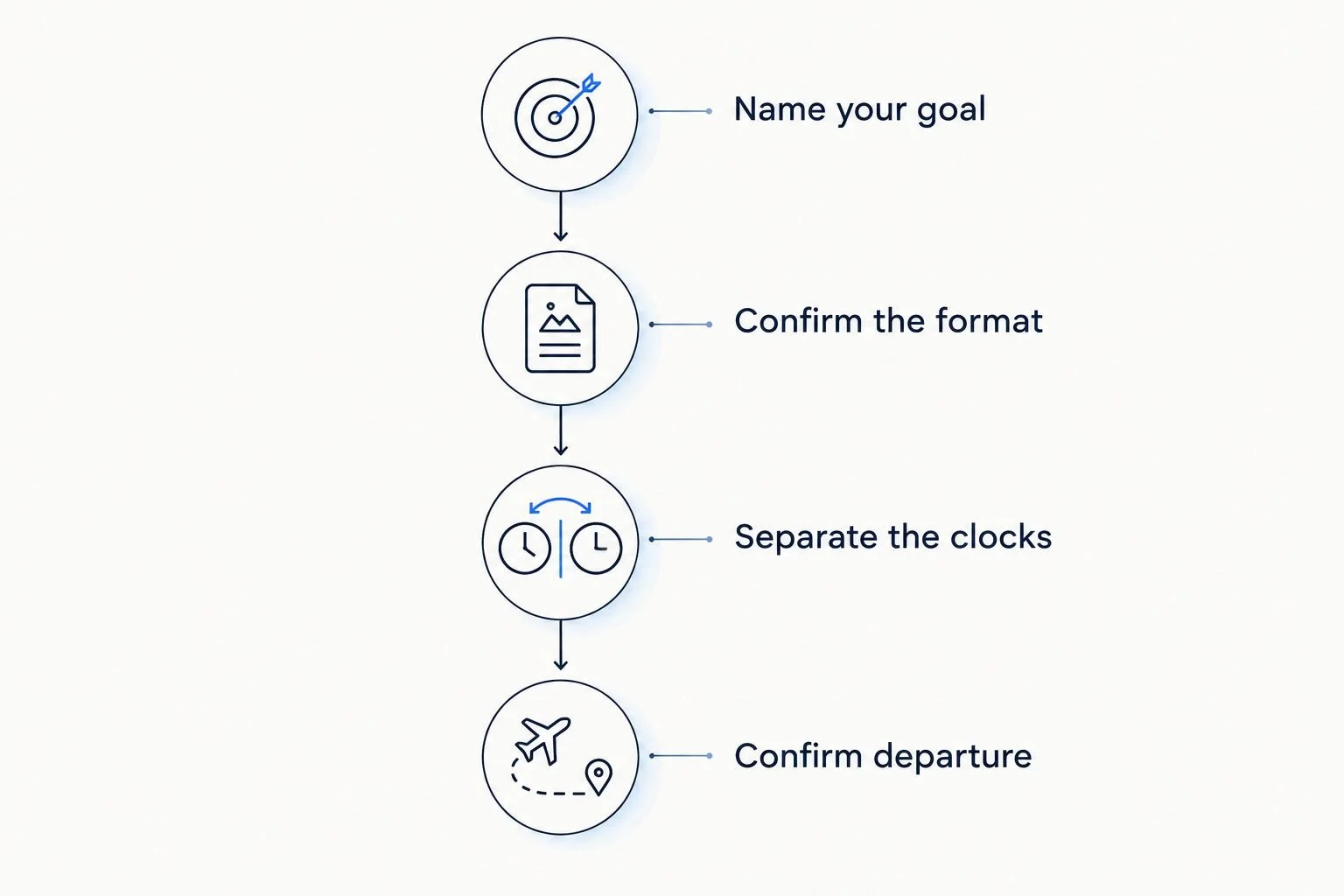
Confirm the whole appointment before fitting altitude training around your day.
Keep the answers with your booking confirmation. If the format changes, check the timing again rather than assuming the original arrival and departure window still applies.
Live Superhuman is best for people seeking bookable studio altitude training rather than an at-home equipment purchase. Confirm the session details directly so you can judge whether the appointment fits your schedule and training goal.
Confirm your altitude training visit
Ask about the session format, total appointment time, and what to expect before booking.
Is a longer altitude session better?
Longer is not automatically better. Session duration does not describe the oxygen conditions, exercise workload, recovery structure, or your response to the activity. Treating minutes as a score leaves out the features that explain what you actually did.
Compare sessions by their purpose first. A booking that fits your goal and provides clear instructions is more useful for planning than a longer appointment whose contents are unclear.
Do not extend exposure on your own to make a session feel more productive. Tell the supervising staff how you feel, and follow their instructions about adjustments or stopping. Feeling unwell is not a performance target.
Can you fit altitude training into a lunch break?
Only book it into a lunch break after confirming the complete visit window. Include your own travel and changing needs rather than assuming the session duration covers everything between leaving work and returning.
If the timing is tight, ask about the appointment before making the reservation. A confirmed departure time is more useful than an assumed short session. Do not plan to shorten the activity yourself to make another commitment.
How long does altitude training take to work?
A session's length does not establish how long adaptation takes. One question concerns an appointment; the other concerns changes across repeated exposure and training.
Do not interpret completing an appointment as proof that you are prepared for an event or travel at elevation. The guide to how long it takes to adapt to altitude training addresses that separate question.
When planning in 2026, keep appointment scheduling and preparation timelines in separate conversations. Tell the provider when you need to be ready rather than asking for a longer session as a shortcut.
What should you record after a session?
Record enough detail to distinguish the appointment from the activity. A calendar entry saying altitude training does not explain whether you exercised, rested, or spent part of the visit in recovery intervals.
Useful notes include:
Session format: What you did during the appointment.
Appointment window: When you arrived and left.
Exposure details: Whatever session information the provider supplies.
Exercise context: Any workout completed before, during, or after the visit.
Your response: How you felt and anything you reported to staff.
These notes help you ask better questions at your next visit. They do not establish that a session caused a performance improvement, and they are not a reason to change exposure settings yourself.
Keep the record simple enough to maintain. A clear description of the session is more useful than a precise-looking total that combines preparation, exercise, and recovery into one unexplained number.
FAQ
How long does an altitude training session take?
Altitude training has no universal session length. Confirm the specific booking's total appointment time and ask how much of it involves reduced-oxygen exposure, preparation, and recovery.
Does altitude training session time include getting ready?
Do not assume preparation is included in the quoted session time. Ask when to arrive, when the main activity begins, and when you should expect to leave.
Can I exercise during an altitude training session?
Some altitude training formats involve exercise, while others involve resting exposure. Confirm the format of your specific booking rather than assuming every altitude session includes a workout.
Is a longer altitude training session more effective?
A longer session is not automatically more effective. Duration alone does not describe the breathing conditions, exercise workload, recovery structure, or whether the session matches your goal.
Can I book altitude training at Live Superhuman?
Live Superhuman offers bookable altitude training sessions. Contact the studio to confirm the format, appointment length, and what your visit includes.
Does one altitude session mean I am ready for a high-altitude trip?
Completing one altitude session does not establish readiness for a high-altitude trip. Discuss your destination and travel plans with a qualified healthcare professional rather than treating appointment length as a readiness test.
What should I ask before booking altitude training in 2026?
Ask for the session format, total appointment window, and explanation of reduced-oxygen exposure time before booking in 2026. Also confirm whether preparation, recovery, and any additional services require extra time.
One last thing
The most useful scheduling question is not simply how many minutes the session lasts. Ask what the clock starts and stops measuring. That answer separates an appointment window from an exercise block or a breathing exposure—and keeps you from comparing different activities as though they were identical.
Get that distinction clear before you book. Then place the confirmed visit on your calendar without treating extra minutes as a promise of extra results.
Related guides
By Kelley Gast